
Does Cleanliness Really Affect Your DOT Inspection Results?
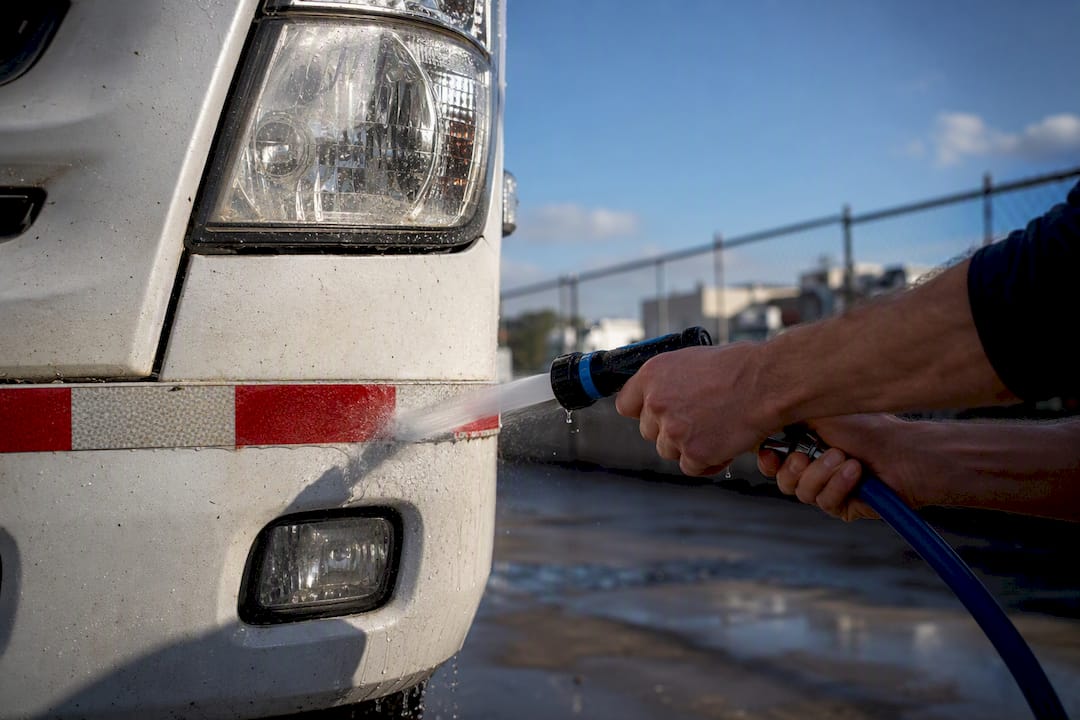
Yes. A clean truck and trailer let inspectors see what they’re actually checking, and that alone lowers your odds of picking up a violation. The single biggest thing you can do before any inspection is make your lights, reflectors, windshield, and paperwork instantly visible and accessible. Both FMCSA and CVSA guidance point to inspection scope that depends on inspectors being able to physically see components, not guess at what’s under a layer of road film.
TL;DR:
- Regularly cleaning lights, reflectors, and the windshield is crucial because grime can hide defects and invite extra inspection time.
- A clean cab with organized documents signals compliance discipline and can expedite credential checks during inspections.
- Mud and road grease often obscure safety-critical systems like brakes, tires, and lighting, increasing the risk of violations.
- Quick, routine cleaning with microfiber towels and photo documentation can prevent discrepancies and support dispute challenges.
- Mobile or on-site fleet washing solutions offer scalable, efficient cleaning that minimizes downtime for larger fleets.
Table of Contents
- What Are DOT Inspection Levels and Why Does Visibility Matter?
- Where Grime Actually Hides Safety Problems
- Pre-Inspection Cleaning Checklist for Trucks and Trailers
- How a Clean Truck Affects Violations and Your CSA Record
- Cleaning Options: DIY, Mobile Washing, or Hiring Pros
- What a Realistic Driver and Cleaning Crew Workflow Looks Like
- How Alldaypowerwashing Keeps Fleets Inspection-Ready
- Sources
What Are DOT Inspection Levels and Why Does Visibility Matter?
The CVSA maintains six official inspection levels, and each one changes how much of your rig gets examined. Level I, the North American Standard Inspection, is the most thorough: driver documents plus a full walk-around of the vehicle. Level II skips the undercarriage but still covers a wide range of visible components. Level III focuses almost entirely on driver credentials and paperwork. Levels IV through VI cover special studies, electrical/radiological inspections, and one-time examinations for specific cargo types.
Here’s the pattern that matters for you:
- Level I examines brakes, steering, lighting, tires, and cargo securement, along with the driver’s logs and license.
- Level II covers the same vehicle items as Level I minus anything requiring the inspector to go underneath the truck.
- Level III is largely a paperwork and credential check, but a cluttered cab still slows it down.
- Levels IV, V, and VI are less common but still require clear access to specific systems or cargo.
The higher the level, the more surface area an inspector has to check, and dirt has more places to hide problems. A grease-caked brake chamber or a mud-covered reflector doesn’t fail on its own, but it does force a closer look, and a closer look takes longer and finds more.
Where Grime Actually Hides Safety Problems
Inspectors aren’t grading your truck on appearance. They’re grading it on whether they can verify a system works, and dirt gets in the way of that verification in specific, predictable spots.
Your cab is the first thing an inspector interacts with, and it sets the tone. Buried logbooks, an ELD you can’t pull up quickly, or a sleeper berth stuffed with gear all slow down what should be a five-minute credential check. FMCSA’s Compliance, Safety, Accountability program treats overall compliance discipline as something inspectors read into small signals, and a chaotic cab is one of them.
On the exterior, the highest-value targets are headlights, brake lights, turn signals, reflective tape, your DOT number, and the windshield. Mud or salt film on any of these can mimic a real defect from a distance, which invites extra scrutiny you don’t need.
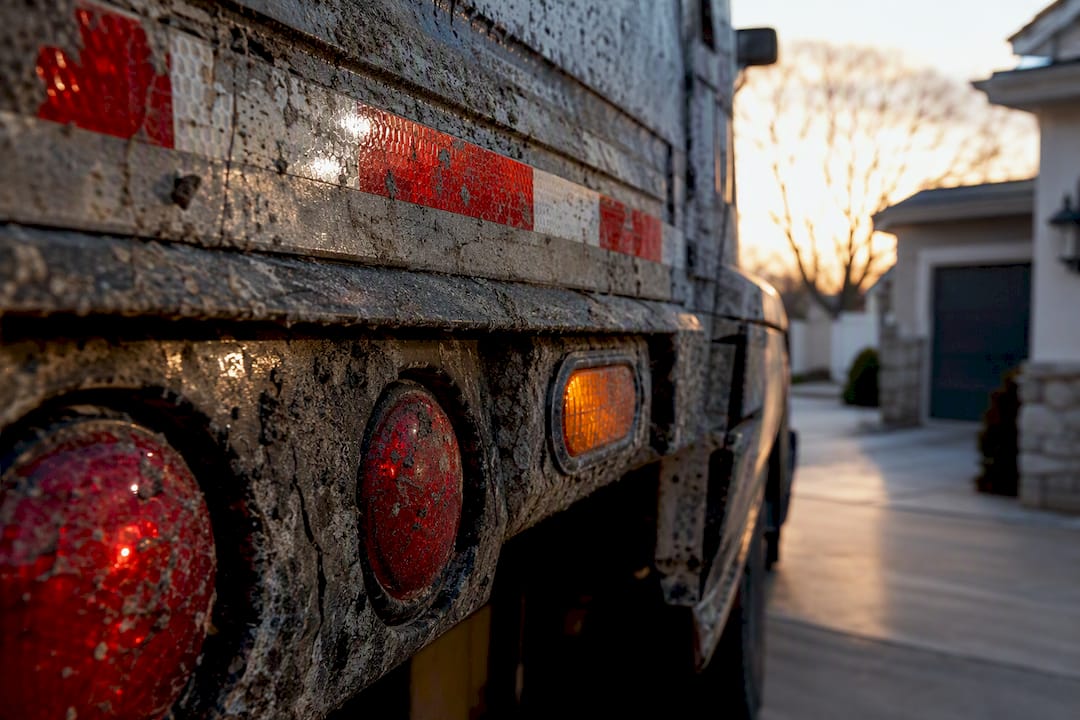
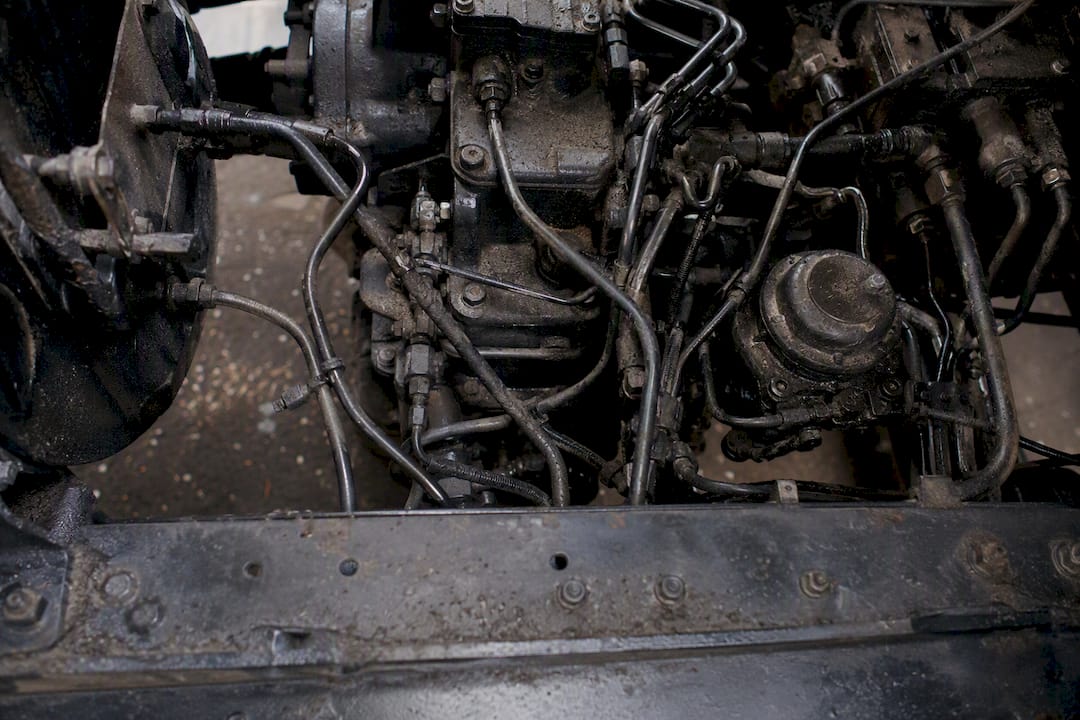
Under the hood and around the chassis, oil film and road grease routinely mask small leaks around brake components and air lines, exactly the systems FMCSA’s own inspection guidance tells inspectors to check closely. Inside the trailer, a debris-covered floor can obscure damage to cargo securement points.
Quick stat: industry vehicle-prep guidance consistently flags grime as a direct cause of missed or disputed defects during roadside checks, precisely because inspectors have to work harder to confirm what they’re looking at.
Pre-Inspection Cleaning Checklist for Trucks and Trailers
Run this before any known inspection, and honestly, before any long haul. Most steps take a few minutes each.
- Park safely and set up. Pull into a spot with room to walk the full perimeter, chock wheels if needed. (1 minute)
- Wipe down lights, reflectors, and reflective tape. These are the first things an inspector’s flashlight hits at night. (5 minutes)
- Clean the windshield and mirrors, inside and out. Streaks and bug residue count against visibility checks. (3 minutes)
- Do a quick under-hood look. Wipe visible grease off brake chambers and air line fittings so leaks are obvious, not hidden. (5 minutes)
- Check wheels and tires for mud buildup. Caked mud can hide cracks, low tread, or valve stem damage. (4 minutes)
- Sweep the trailer interior and check cargo securement points. Debris on the floor can bury tie-down damage. (10 to 20 minutes depending on trailer size)
- Organize the cab: logs, ELD, registration, insurance. Everything should be reachable in under 30 seconds. (2 minutes)
- Photograph the clean, prepped vehicle before you roll out. Time-stamped photos become useful evidence if a violation gets disputed later.
Carry a bucket, a few microfiber towels, glass cleaner, and a degreaser rag in the cab. None of this needs commercial equipment. It needs consistency.
Pro Tip: Take the same three or four photo angles every time: front lights, rear lights, tires, and cab interior. A consistent photo habit makes it obvious when something changed between your last clean inspection and a new violation.
How a Clean Truck Affects Violations and Your CSA Record
Violations tied to lighting, brakes, and tires are among the most common outcomes when inspectors can’t get a clean visual read on a component. A light that’s technically working but caked in mud can still draw a citation if the inspector can’t confirm output or color.
Those violations don’t disappear quickly. They factor into your CSA record for 24 months, and industry guidance consistently notes that the most recent 12 months carry more weight in scoring than the following 12. A pattern of clean, low-friction inspections over time helps offset an occasional rough one.
- Lighting and reflector violations often trace directly to visibility, not actual failure.
- Brake and air line issues get flagged more often when grease obscures the inspection point.
- Tire violations increase when mud hides sidewall damage or tread wear.
If you believe a violation was recorded in error, or that a defect was misidentified because of conditions at the time, FMCSA’s DataQs system lets you file a formal challenge. It won’t erase a legitimate finding, but it corrects the record when the paperwork or classification was wrong.
File a DataQs challenge as soon as possible after the inspection, while your photo documentation and memory of the event are still fresh.
Cleaning Options: DIY, Mobile Washing, or Hiring Pros
Your cleaning route depends on fleet size, downtime tolerance, and how often you’re getting inspected.
A driver quick-clean covers the checklist above and works fine for owner-operators or small fleets running routine routes. It’s fast, free, and catches most surface-level visibility problems.
A scheduled in-yard wash works when you have space and staff to run a hose and pressure washer on a rotation, but it eats labor hours that could go toward dispatch or maintenance.
Mobile, on-site fleet washing solves the downtime problem directly. A crew comes to your yard or terminal, so trucks stay in rotation instead of sitting in a wash bay line. On-site mobile units also scale, since one crew can move through a dozen trucks in a shift, and some setups include water-recycling equipment that keeps runoff regulations in check.
Contracted pros make sense when your fleet is large enough that consistent cleaning is a recurring cost, not a one-time job. Vet any vendor by confirming they’re insured, ask what equipment grade they run, and request references from fleets your size. A crew that’s cleaned three cars a week is not the same as one that handles heavy equipment and commercial trucks regularly.
- Driver quick-clean: fastest, no cost, covers the basics.
- In-yard scheduled wash: consistent, but costs labor hours.
- Mobile on-site washing: minimal downtime, scales with fleet size.
- Contracted specialists: best for larger fleets with recurring compliance needs.
Pro Tip: Ask a prospective vendor how they document each wash. A vendor who photographs before-and-after conditions gives you the same kind of evidence trail you’d want for a DataQs challenge.
What a Realistic Driver and Cleaning Crew Workflow Looks Like
The fleets that stay clean without burning labor hours usually run a simple split: drivers handle the daily quick-clean and photo log, and a mobile crew handles a deeper wash on a weekly or biweekly rotation. That combination catches the small stuff daily and resets the whole vehicle before grime builds up enough to hide anything real.
Commercial-grade equipment matters more than people expect here. A pressure washer rated for heavy-duty cleaning cuts through caked mud and road salt in a fraction of the time a garden hose takes, which means less prep time before an inspection and more chances to spot a developing leak or crack before it becomes a violation. That’s the practical value of pairing driver habits with crews who run real commercial equipment on real job sites, not a shortcut version of the same service.
— Brandon
How Alldaypowerwashing Keeps Fleets Inspection-Ready
Alldaypowerwashing is the alternative to juggling in-house wash crews or squeezing trucks into a shared wash bay schedule. For fleets running Colorado Springs or Denver routes, that means commercial-grade, on-site fleet washing that comes to your yard on your timeline instead of costing you downtime.
Every crew is fully insured and uses commercial-grade equipment built for heavy-duty jobs, not consumer-grade pressure washers stretched past their limits, following vacuum truck safety guidelines to ensure operator and site safety. That’s the difference between a wash that just makes a truck look better and one that actually clears the grime off brake components, lighting, and reflective tape before an inspector ever gets there. All Day Power Washing also handles heavy equipment and commercial vehicle cleaning across the Denver metro area, with same-week quotes and a satisfaction guarantee behind every job.
If your fleet is due for a wash before your next inspection cycle, or you’re tired of scheduling around a single wash bay, get a same-week quote and get your trucks road-ready without eating into dispatch time.
Sources
- FMCSA: Vehicle inspection examples and guidance
- CVSA: All inspection levels
- DOT inspection preparation guide (USA Trucker Choice)