

Avoid Warranty Voids: House Washing Frequency by Siding for Homeowners
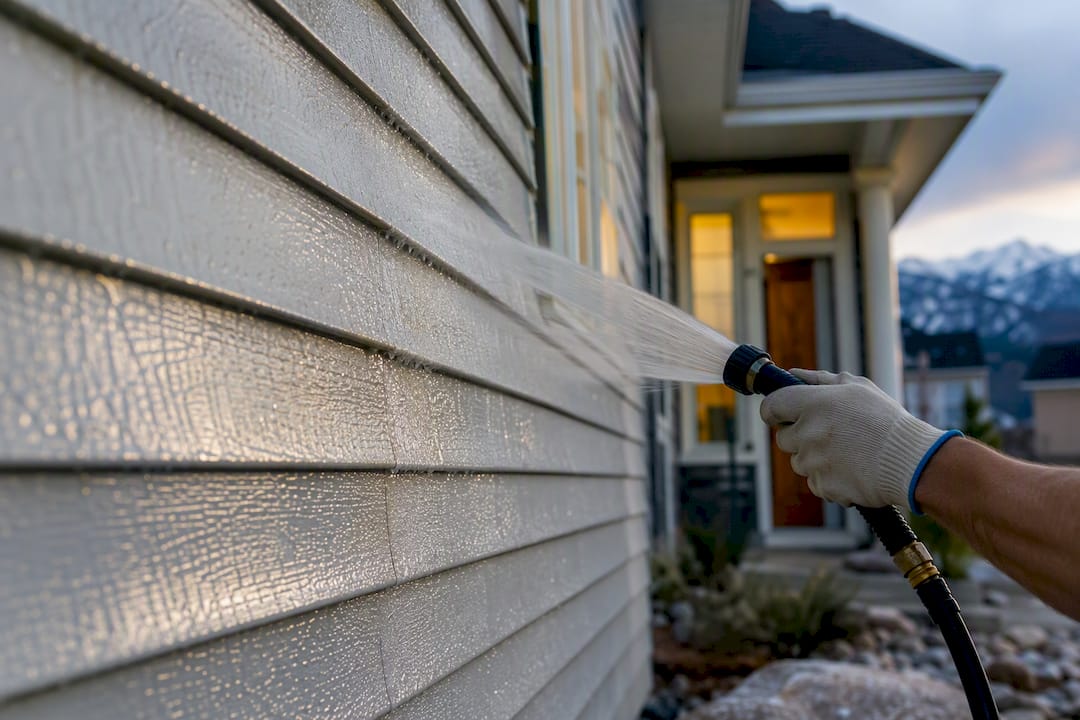
Wash your house exterior once a year as a baseline. Move to every 6 to 12 months if you’re dealing with heavy shade, humidity, coastal salt air, or trees dropping pollen and sap on the walls. Dry, sunny climates with little tree cover can often stretch to 18 or even 24 months between washes. The right interval also depends on your siding material and what your warranty paperwork requires, both covered below.
TL;DR:
- Coastal, shaded, and humid environments typically require house washing every 6 to 12 months to prevent mold and salt damage.
- Vinyl, composite, and painted wood siding benefit from annual low-pressure or soft-wash cleaning to avoid damage and preserve finishes.
- Stucco and EIFS surfaces should be washed every 12 to 18 months using chemical soft-wash methods to prevent cracking and water infiltration.
- Visible mold, mildew streaks, staining, or persistent dust indicate the house needs cleaning outside the scheduled timeframe.
- Professional washing offers better protection of warranties, ensures proper technique, and reduces risk compared to DIY methods.
Table of Contents
- House Washing Frequency: A Quick Schedule By Scenario
- What Actually Changes Your Washing Schedule
- Recommended Frequency By Siding Material
- Signs Your House Needs Washing Right Now
- The Best Time of Year to Schedule a Wash
- DIY Or Hire a Pro: What to Actually Consider
- What Professional Cleaning Documentation Actually Protects
- Why Washing on Schedule Beats Washing on Impulse
- Book a House Wash With All Day Power Washing
- Sources
- FAQ
House Washing Frequency: A Quick Schedule By Scenario
Most homeowners don’t need a calendar reminder app to figure this out. They need a scenario that matches their yard and their weather. Here’s how the standard recommendation breaks down, based on guidance from Better Homes & Gardens, which sets the widely cited baseline of once a year for typical homes, with regional adjustments in both directions.
- Annual baseline: Most homes, regardless of siding, benefit from at least one full exterior wash a year.
- Every 6 to 12 months: Humid regions, homes under heavy tree canopy, coastal properties dealing with salt spray, and yards near woods with heavy pollen drop.
- Every 12 to 24 months: Dry, sunny climates with minimal shade, low humidity, and little organic debris landing on the walls.
- Wash immediately, regardless of schedule: Visible algae or mildew streaking, dark staining that won’t rinse off with a hose, or an upcoming warranty inspection that requires documented cleaning.
Coastal homes and shaded lots in wooded neighborhoods tend to fall into that 6 to 12 month camp more often than not, since salt and moisture both accelerate the biological growth that makes exteriors look dirty in the first place.
What Actually Changes Your Washing Schedule
Your neighbor’s schedule and yours might legitimately differ, even on the same street. A few environmental factors do most of the heavy lifting.
- Humidity and rainfall: Wet climates feed algae and mildew, which regrow faster after a cleaning than they would in arid conditions.
- Shade and tree cover: Less sun exposure means surfaces stay damp longer after rain, and trees add pollen, sap, and leaf litter that stains siding.
- Coastal proximity: Salt air corrodes and discolors exterior surfaces faster than inland air, even on homes several blocks from the water.
- Nearby construction, farmland, or busy roads: Dust and vehicle exhaust settle into siding texture and grout lines faster than most homeowners expect.
There’s also a health angle that’s easy to overlook. The Asthma and Allergy Foundation of America links exterior mold growth to allergy and asthma triggers, which means a house with visible green or black patches isn’t just a cosmetic problem. Spores from exterior growth can migrate toward window seals, vents, and door frames, adding to indoor allergen load. If someone in your house has chronic allergy symptoms that seem to spike at certain times of year, checking the exterior for mildew is a reasonable first step before assuming it’s pollen alone.
Recommended Frequency By Siding Material
Frequency isn’t one-size-fits-all once you factor in what your house is actually made of. Some materials tolerate annual pressure washing fine. Others need a gentler touch and a longer runway between cleanings.
- Vinyl and composite siding: Wash annually using a soft-wash approach or low pressure. Vinyl handles moisture well but can crack or blow inward under high PSI aimed too close.
- Painted wood siding: Wash annually, or sooner if mildew appears. High pressure strips paint and drives water behind boards, so low-pressure or soft-wash methods protect the finish.
- Stucco and EIFS (synthetic stucco): Stretch to every 12 to 18 months, and stick to soft-wash chemical application rather than direct pressure, since stucco’s porous surface traps water and pressure can crack the coating.
- Brick, stone, and masonry: Every 18 to 24 months is usually enough unless efflorescence or dark staining shows up sooner.
- Metal siding: Annual washing is fine, but keep pressure low. Metal dents easily under a concentrated stream, especially older aluminum panels.
Consumer Reports points out that method matters as much as frequency. A surface washed too often with the wrong pressure setting can end up more damaged than one washed less often but correctly. That’s worth remembering before you assume “more frequent” automatically means “better maintained.”
Pro Tip: Check your siding manufacturer’s warranty booklet before you pick a method. Some vinyl and fiber cement warranties specify approved cleaning solutions and pressure limits, and using the wrong one can void coverage even if the wash looks fine afterward.
If you’re unsure which chemical or method fits your siding, a guide to safe cleaning solutions walks through what works on each surface type without stripping finishes.
Signs Your House Needs Washing Right Now
Calendars are a decent guide, but your eyes are a better one. Watch for these signals no matter when your last wash happened.
- Black or green streaking, especially on north-facing walls, under soffits, or anywhere shade lingers longest.
- A dull film of pollen or dust that doesn’t rinse away with normal rain, usually visible as a yellow-green haze on darker siding.
- Indoor allergy symptoms that flare seasonally and coincide with visible mold or mildew outside, a pattern the AAFA connects directly to exterior biological growth.
- Staining under gutters or around eaves, often from mineral deposits or organic runoff pooling in shaded, low-airflow spots.
If two or more of these show up at once, that’s a stronger signal than any generic annual reminder.
The Best Time of Year to Schedule a Wash
Timing affects both results and safety. Spring, after pollen season winds down but before summer humidity peaks, tends to be the sweet spot most professionals point to, a pattern Better Homes & Gardens also flags as the preferred window. Early fall works as a solid second option, clearing summer’s algae and grime buildup before winter moisture sets in.
- Spring: Best for removing pollen film and prepping surfaces before summer humidity accelerates mildew growth.
- Early fall: Good for stripping summer buildup before cold weather locks in moisture and grime.
- Avoid freezing temperatures: Water can seep into cracks and freeze, expanding and damaging siding or trim.
- Avoid extreme heat: Cleaning solutions dry too fast on hot surfaces, sometimes leaving streaks or reducing effectiveness.
- Pick calm, dry days: Wind pushes overspray onto windows and landscaping, and rain right after a wash can dilute the work.
If you’re already scheduling seasonal upkeep, pairing a house wash with a gutter cleaning appointment or paint prep saves a separate trip up the ladder later.
DIY Or Hire a Pro: What to Actually Consider
Not every wash needs a crew. But plenty do, and knowing which category your house falls into saves you from a bad outcome.
- DIY works for single-story homes, light dirt, and surfaces without delicate paint or stucco, using a soft-wash attachment rather than a straight high-pressure nozzle.
- Hire a professional for two-story or taller homes, any siding showing heavy algae or mildew, stucco or EIFS surfaces, or a house where warranty terms require documented professional cleaning.
- Expect the job itself to take anywhere from 30 minutes to 3 hours or more, depending on square footage and how dirty the surface is, according to BobVila’s estimates on typical residential jobs.
The real risk with DIY isn’t usually the time commitment. It’s ladder height combined with a pressure washer that can strip paint or drive water behind siding if held too close, an issue Consumer Reports specifically warns about for delicate exterior surfaces.
Pro Tip: If you’re renting equipment, ask specifically for a soft-wash setup rather than a standard high-pressure unit. Most siding damage complaints trace back to someone using driveway-strength pressure on a wall.
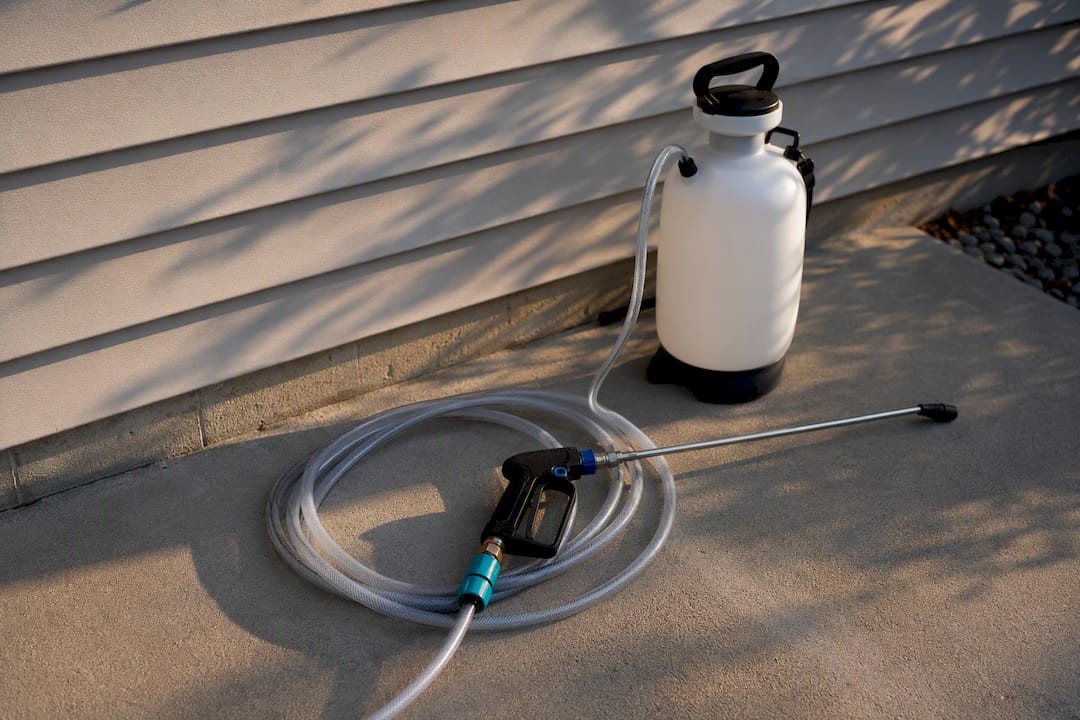
For homeowners leaning DIY, this breakdown of low-pressure washing techniques covers the settings that actually protect siding while still cutting through grime.
What Professional Cleaning Documentation Actually Protects
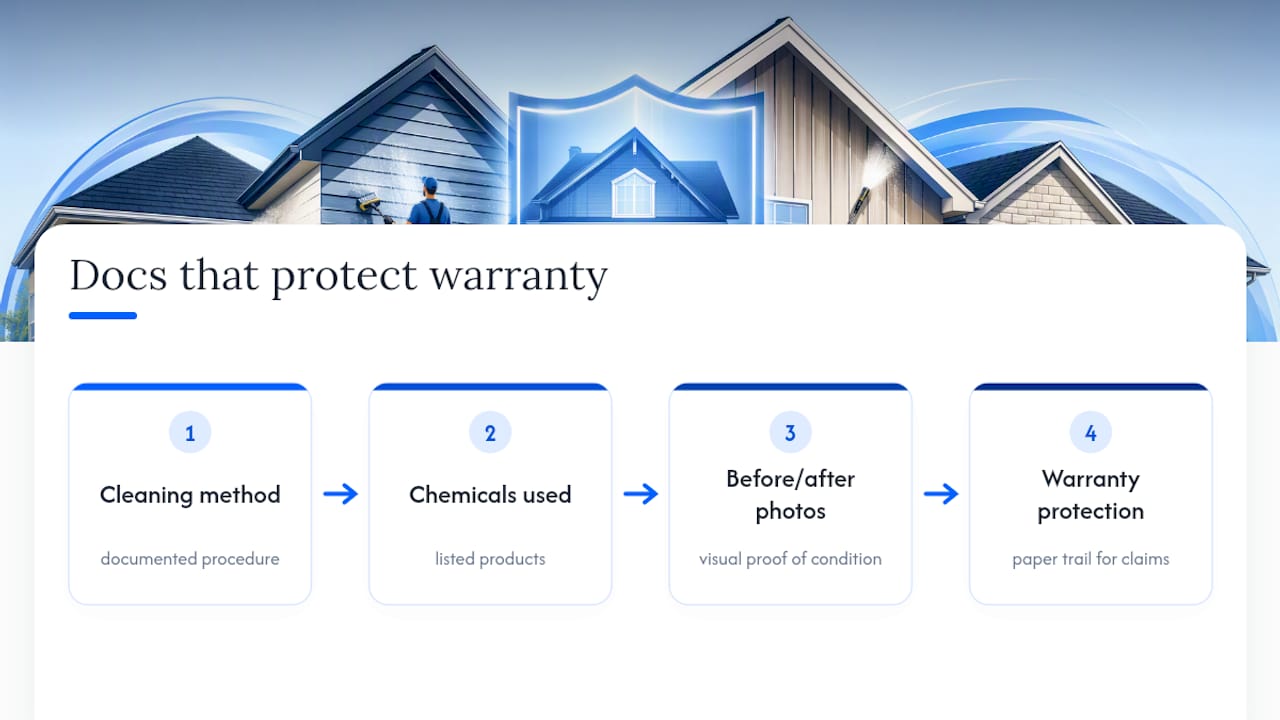
Some siding warranties, including certain vinyl siding manufacturer terms, require proof of professional cleaning at set intervals to stay valid. That proof usually means documented method, chemicals used, and before-and-after photos. Some professional crews run commercial-grade equipment, carry insurance, and back every job with a satisfaction guarantee, the kind of paper trail that matters if a paint or siding issue surfaces later and you need to show the exterior was maintained correctly.
Why Washing on Schedule Beats Washing on Impulse
Preventive cleaning is cheaper than restoration. Once algae or mold sets into a porous surface for a couple of years, it usually takes stronger chemicals and more aggressive methods to remove, which raises both cost and risk to the finish. Schedule by what you see on the wall, not just by what the calendar says.
— Brandon
Book a House Wash With All Day Power Washing
Professional services in Colorado Springs and Denver provide a faster, lower-risk path than renting equipment and guessing at pressure settings yourself. Crews typically run commercial-grade equipment, carry insurance, and work under satisfaction guarantees, so you’re not troubleshooting a botched DIY job or waiting weeks for an opening.

Requesting a quote is straightforward: have your house’s square footage, siding type, and any known stains or problem areas ready, and you’ll typically get a same-week quote back. That prep also helps the crew choose the right pressure and chemical mix before they arrive, rather than adjusting on the fly. Ready to get your exterior on a real schedule instead of an occasional guess? Check availability and request a quote for your Denver-area home and get a wash scheduled around your siding, not just the calendar.
Sources
For health-related concerns tied to exterior mold, see the AAFA’s mold and allergy guidance. For method safety, Consumer Reports breaks down which surfaces tolerate pressure washing. Always check your own siding warranty documentation before scheduling, since terms vary by manufacturer.
- AAFA – Mold and allergy
- Consumer Reports – Surfaces safe to clean with a pressure washer
- Better Homes & Gardens – How often to pressure wash a house
- BobVila – How to pressure wash a house
- Manufacturer warranty guidance (example) — vinyl siding warranty PDF
FAQ
How Often Should a House Be Washed?
Once a year is the standard baseline, moving to every 6 to 12 months for humid, shaded, or coastal homes, and stretching to 12 to 24 months in dry, low-debris climates.
What Is the 5-5-5 Rule for Cleaning?
There’s no widely recognized “5-5-5 rule” specific to house washing. Frequency guidance for exteriors centers on the annual baseline with 6 to 24 month adjustments based on climate and siding.
How Long Does It Take to Power Wash a 2,000 Square Foot House?
Typically between 30 minutes and 3 hours, depending on the level of dirt, siding material, and accessibility, based on estimates from BobVila.
Which Month Is Best to Pressure Wash a House?
Spring, after pollen season tapers off, is generally considered the best window, with early fall as a strong second choice before winter moisture sets in.
Does Pressure Washing Affect My Siding Warranty?
Some manufacturers require documented professional cleaning to keep warranties valid, so it’s worth reviewing your specific warranty terms before choosing a DIY approach.